Featured boats
List of some used or new boats, sailboats and motorboats put on featuring by our advertisers.
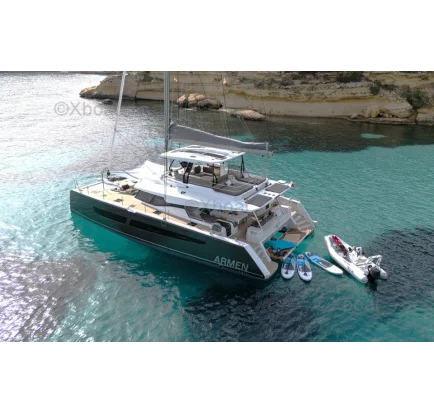
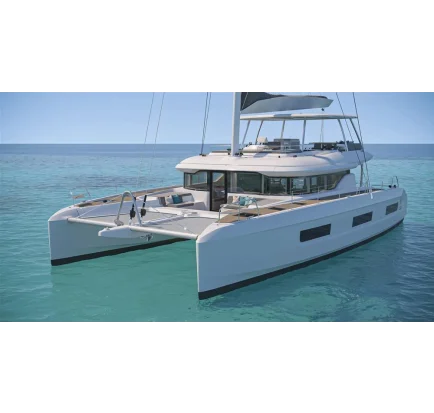
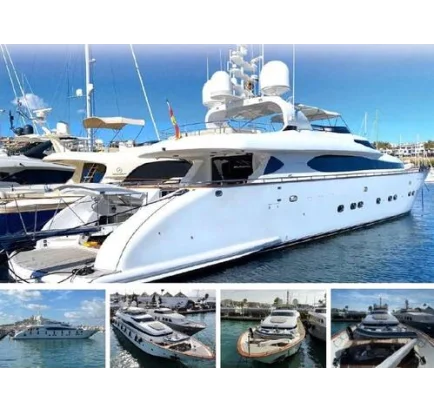
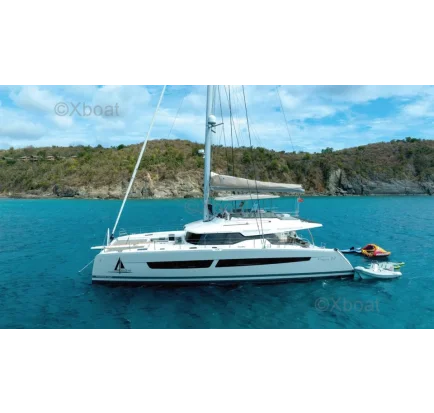
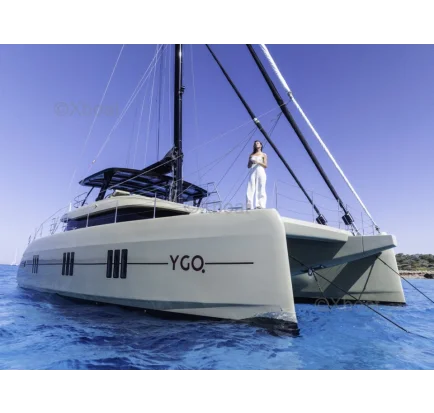
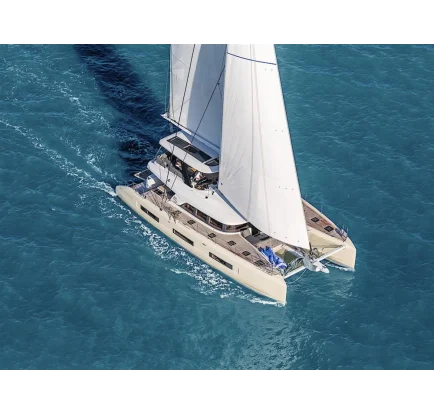
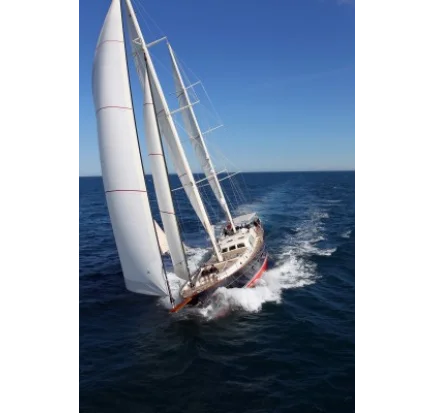
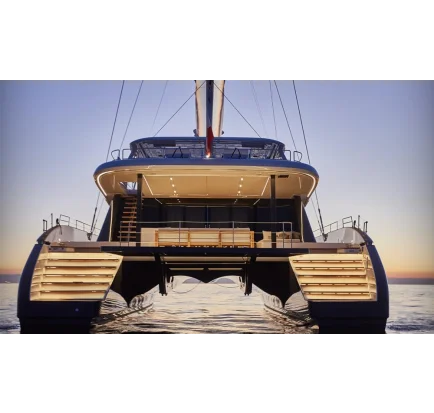
List of some used or new boats, sailboats and motorboats put on featuring by our advertisers.
Find on our website hundreds of boats for sale, used sailboats, used motorboats, nearby you or on the other side of the world.
Find a list of our latest used boats for sale.
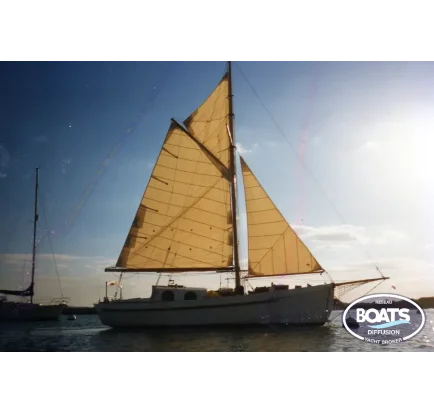
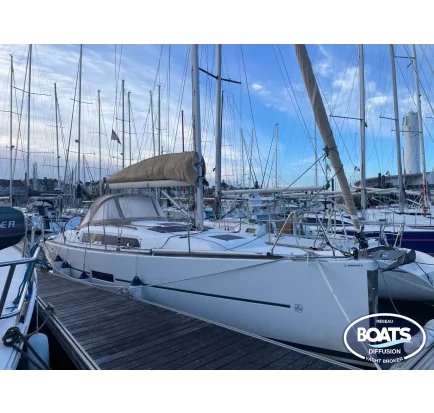
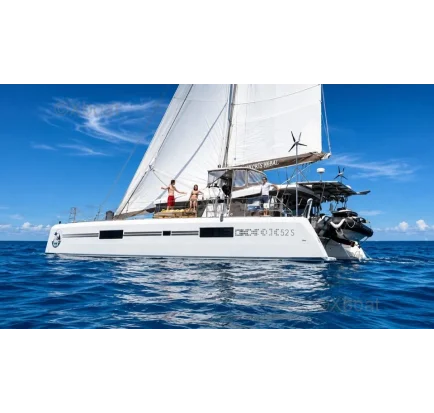
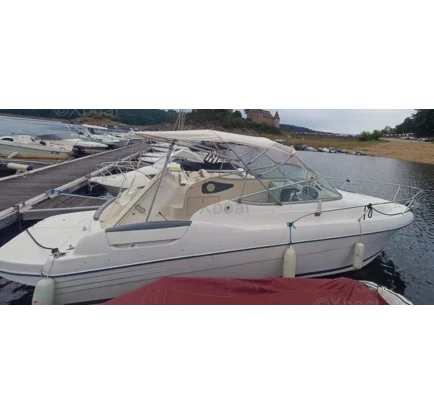
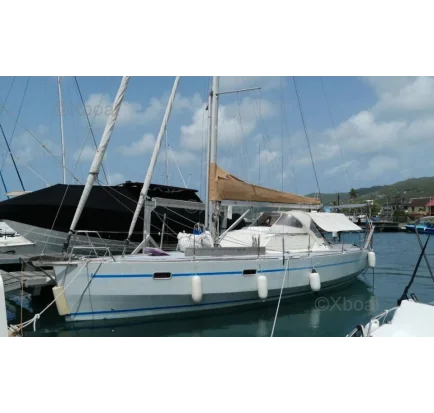
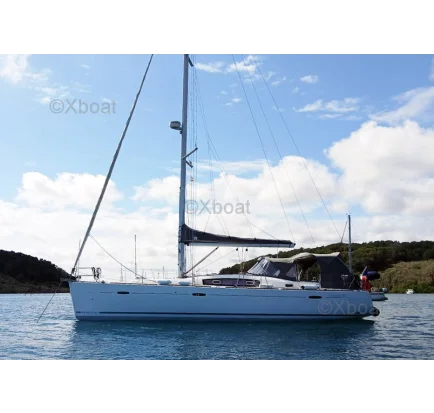
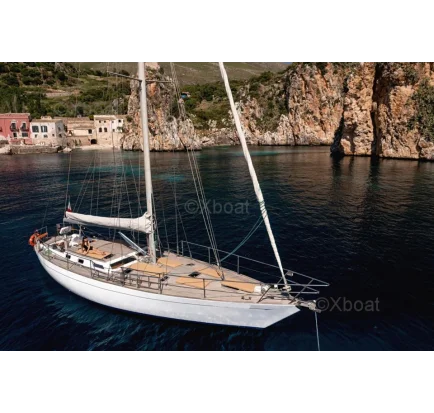
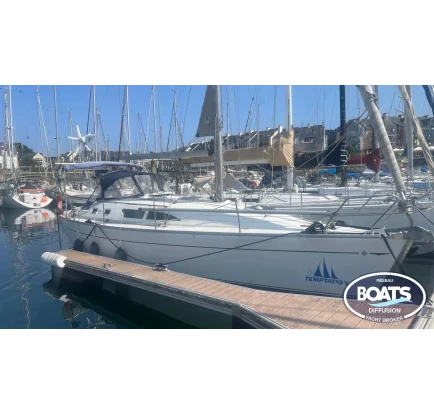
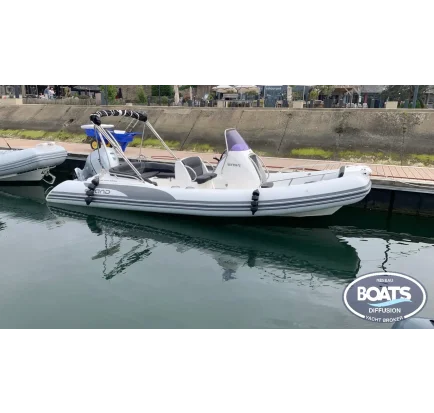
Regular Ads
Sale
Find our articles to help you choose your next boat
Crossing to Corsica, hopping over to the Channel Islands, spending several days cruising well away from the coast: once your plans go beyond a day out, choosing a boat is about more than falling for a listing. Licence, the boat's ability to handle open water, mandatory safety equipment and the costs that come with them: here is what to check before buying a used boat for offshore sailing in France.
French regulations don't measure distance from the coast but distance from a shelter (abri): a place where the boat can find safety and land its crew, such as a harbour or a protected anchorage. Depending on how far out you plan to go, there are four navigation zones, which set both the licence you need and the safety equipment you must carry.
| Zone | Distance from a shelter | Licence (motorboat over 6 hp) |
|---|---|---|
| Basic | Up to 2 nautical miles (≈ 3.7 km) | Coastal licence |
| Coastal | 2 to 6 nautical miles (≈ 11 km) | Coastal licence |
| Semi-offshore | 6 to 60 nautical miles (≈ 111 km) | Coastal licence + offshore extension |
| Offshore | Beyond 60 nautical miles | Coastal licence + offshore extension |
A nautical mile is 1,852 m, one minute of arc along a meridian. Six miles is therefore barely 11 km: a passage to a more distant island or a fishing trip offshore is enough to take you out of the coastal zone.
These rules apply to French-flagged boats and, in French waters, to boats owned by people living in France, whatever their flag. If you are not resident in France and sail under a foreign flag, your flag state's rules generally apply, but the principles below remain a good benchmark.
The French recreational boating licence (permis plaisance) is required as soon as engine power exceeds 4.5 kW (6 hp). The coastal option allows you to sail up to 6 miles from a shelter; to go further, you need the offshore extension (extension hauturière), which removes any distance limit, day or night. If you are buying a motor cruiser or a RIB for offshore trips, this licence is part of the project.
At sea, sailing a yacht in France does not in principle require a boating licence, even with an auxiliary engine. Inland waters (rivers, canals) are different: a licence is required if the engine exceeds 4.5 kW. And no legal requirement doesn't mean no need: many sailboat owners take the offshore extension anyway, because its syllabus covers exactly what you need to know to sail far from shore.
Two parts of the syllabus are worth knowing for any buyer, even without taking the exam:
Every boat sold new in the European Union since 1998 carries a CE mark with a design category, shown on the builder's plate. It indicates the wind and sea conditions the boat was designed for. It's the first thing to check on a listing if you plan to sail offshore.
| Category | Wind | Waves (significant height) | Typical use |
|---|---|---|---|
| A – Ocean | May exceed force 8 | Over 4 m | Long passages, ocean crossings |
| B – Offshore | Up to force 8 | Up to 4 m | Coastal and semi-offshore cruising |
| C – Inshore | Up to force 6 | Up to 2 m | Bays, day trips close to the coast |
| D – Sheltered waters | Up to force 4 | Up to 0.30 m | Lakes, rivers, sheltered waters |
For regular semi-offshore sailing, aim for category B at least; to cross a gulf or set off on extended cruising, category A. Beyond the label, also look at:
Mandatory equipment in France is set by Division 240, and it is cumulative: each zone includes everything required for the previous one plus its own items. On a used boat, this is often where hidden costs lie: a liferaft due for service, expired flares, a non-compliant VHF…
| Zone | Main equipment added |
|---|---|
| Basic (< 2 miles) | Suitable lifejacket for each person, waterproof light, bailing device, fire extinguisher(s) and fire blanket, towing arrangement, tide tables (except in the Mediterranean), national flag outside territorial waters. |
| Coastal (2–6 miles) | 3 red hand flares, man-overboard recovery device, magnetic compass (or waterproof GPS), nautical chart, COLREGs, buoyage documentation. |
| Semi-offshore (6–60 miles) | Fixed VHF; magnetic compass (GPS can no longer replace it); harnesses and tethers; 3 parachute flares and 2 smoke signals, not required with a DSC VHF connected to GPS; night search light; liferaft; first-aid kit; means of receiving weather forecasts; list of lights; logbook; equipment for plotting a position. |
| Offshore (> 60 miles) | 406 MHz EPIRB distress beacon and waterproof handheld VHF, on top of everything above. |
Safety equipment rarely comes with the boat in good order. Ask for the service dates of the liferaft and extinguishers and the expiry dates of the flares, and check that the VHF and beacon are programmed with the boat's MMSI number, which you will need to transfer to your name. Division 240 is updated regularly (most recently by an order dated 21 May 2026): check the current list on mer.gouv.fr before setting off.
On a used boat, replacing the electronics can cost several thousand euros, and it ages quickly. Test everything during the viewing, with the engine running:
Old electronics aren't necessarily a deal-breaker, but they are a negotiating point: price their replacement and factor it into your offer (see our complete guide to buying a used boat in France).
On top of the purchase price and running costs (berth, antifouling, insurance, engine servicing), an offshore sailing project brings specific costs. The figures below are typical ranges seen on the French market; they vary with boat size and brand.
| Item | Typical cost | Frequency |
|---|---|---|
| Offshore extension exam | €38 tax stamp (+ optional training) | Once |
| New liferaft | €800 to €2,500+ depending on capacity and standard (coastal or offshore) | Lifespan of 10 to 18 years depending on model |
| Liferaft service at an approved station | €150 to €600 | As recommended by the manufacturer (often every 3 years) |
| 406 MHz EPIRB | €300 to €600 | Battery replacement every 5 to 10 years |
| Full safety equipment upgrade on a used boat | Around €800 to €1,800, up to €2,500 if a beacon or offshore liferaft must be added | At purchase |
Our advice: ask the seller for the list of safety equipment with service dates, and factor the cost of bringing it up to standard into your negotiation.
No. At sea in France, a sailboat can be sailed without a boating licence, even with an auxiliary engine. A licence is required on inland waters if the engine exceeds 4.5 kW (6 hp). The offshore licence syllabus is still very useful for sailing far from shore.
Up to 6 nautical miles (about 11 km) from a shelter, day or night, in a motorboat of over 6 hp. Beyond that, you need the offshore extension.
Category C means the boat was designed for winds up to force 6 and waves up to 2 m. For regular sailing beyond 6 miles, it is wiser to choose a category B or A boat.
Yes, from the semi-offshore zone onwards (beyond 6 miles from a shelter). It must be serviced at an approved station as recommended by the manufacturer.